
The 2026 endurance racing season is just a month away, with the Daytona 24 Hours marking the first event to feature top-line prototype machinery.
Most manufacturers competing across the World Endurance Championship and the IMSA SportsCar Championship have opted to update their cars for 2026, meaning the Hypercar and GTP grids could look noticeably different next year.
These changes have been triggered by a decision from the FIA, ACO and IMSA to make it mandatory for all manufacturers to recertify their cars in the WindShear wind tunnel in North Carolina. Previously, LMH manufacturers competing in Hypercar were permitted to homologate their cars at Sauber’s facility in Hinwil, while LMDh brands were required to use both tunnels regardless of whether they competed in IMSA.
From 2026 onwards, the Sauber wind tunnel will no longer be available, and every car — regardless of regulation set or championship — must be homologated in the US.
As a result, several manufacturers have taken the opportunity to introduce aero-related changes to their Hypercar and GTP machines.
The new season will also see the arrival of Genesis, which will compete in the WEC in 2026 ahead of its expected IMSA debut in 2027. However, Lamborghini will be absent from top-line sportscar racing after pausing its SC63 LMDh programme.
Here’s a full list of all manufacturers competing in Hypercar and GTP classes, and their plans for 2026
Toyota (WEC)
Toyota teaser
Toyota will update the GR010 Hybrid for the first time in three years after a mixed 2025 campaign in which it failed to finish on the podium (or win a race) until the Bahrain season finale. Further, this marks the biggest visual change to a car that debuted back in 2021, with the engineers at Cologne having found a way to bring the styling closer to Toyota’s road car identity. The entire front end appears to have been redesigned, with a new headline design giving the LMH a distinct new identity.
The Japanese manufacturer is hoping that the revamp will allow it to be competitive in the WEC, even if it is given the lowest power and the maximum weight under the Balance of Performance system.
It’s unclear how many evo jokers Toyota will use as part of its 2026 update, or how many it has already expended.
Cadillac (WEC and IMSA)
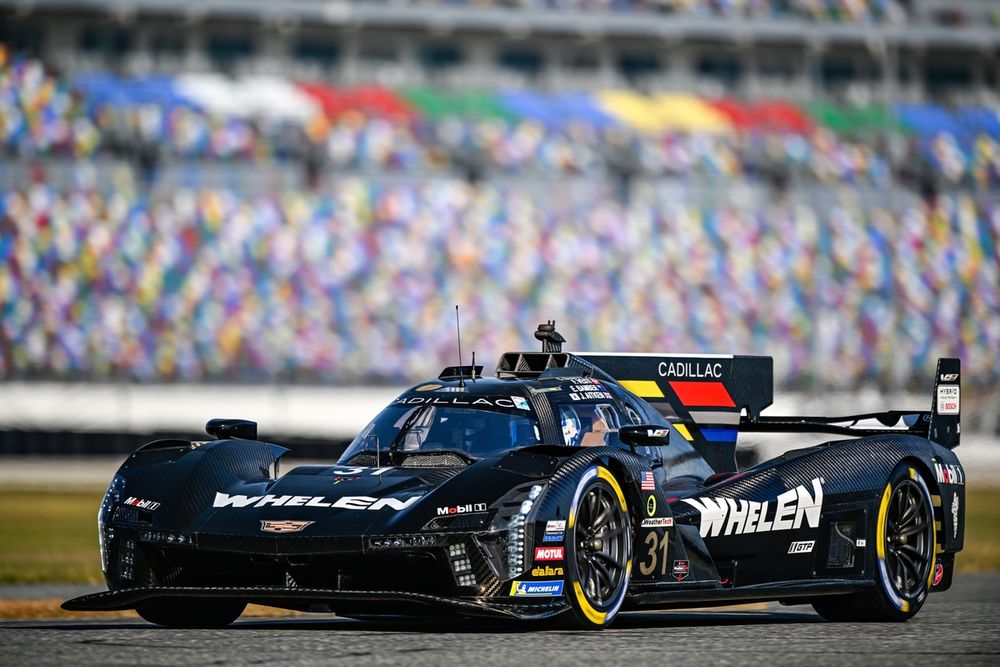
#31 Cadillac Action Express Cadillac V- Series.R: Jack Aitken, Earl Bamber, Frederik Vesti
Photo by: Brandon Badraoui / Lumen via Getty Images
Cadillac’s update for 2026 is the most visually striking of any manufacturer. The American marque has significantly overhauled the aerodynamics of the V-Series.R with the addition of a new front splitter and a redesigned rear wing that sits much lower than the previous version. Further changes include a full switch to the Brembo braking system.
Cadillac used two evo jokers as part of the upgrade package, taking its count up to three from the five allowed to it under the initial five-year rule cycle of the car. It deployed its first evo joker at the start of 2025 to update the electronics of its LMDh prototype.
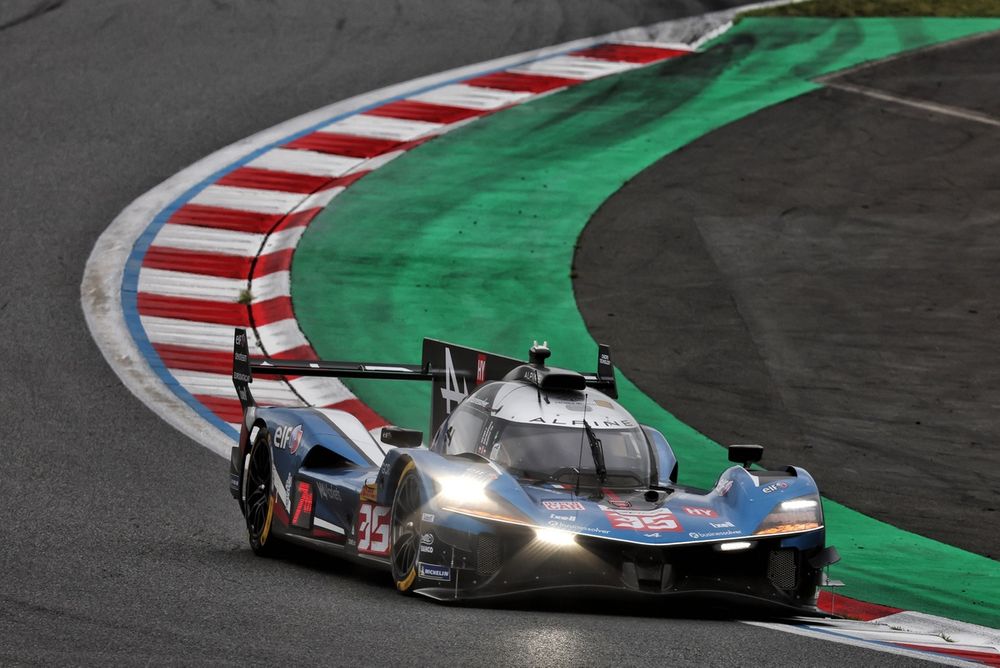
#35 Alpine Endurance Team Alpine A424: Paul-Loup Chatin, Ferdinand Habsburg, Charles Milesi
Photo by: James Moy Photography via Getty Images
Alpine will overhaul the aerodynamics of the A424 as part of a major update for 2026. This will see the French manufacturer move away from its low-downforce philosophy, a shift prompted by the introduction of a new two-stage Balance of Performance from the Le Mans 24 Hours. There are other changes under the hood, which Alpine first debuted at Circuit Bugatti in October, prior to a full-blown test of its 2026 challenger in Bahrain last month.
Alpine previously used an evo joker to update the power unit on the A424 during the last winter break.
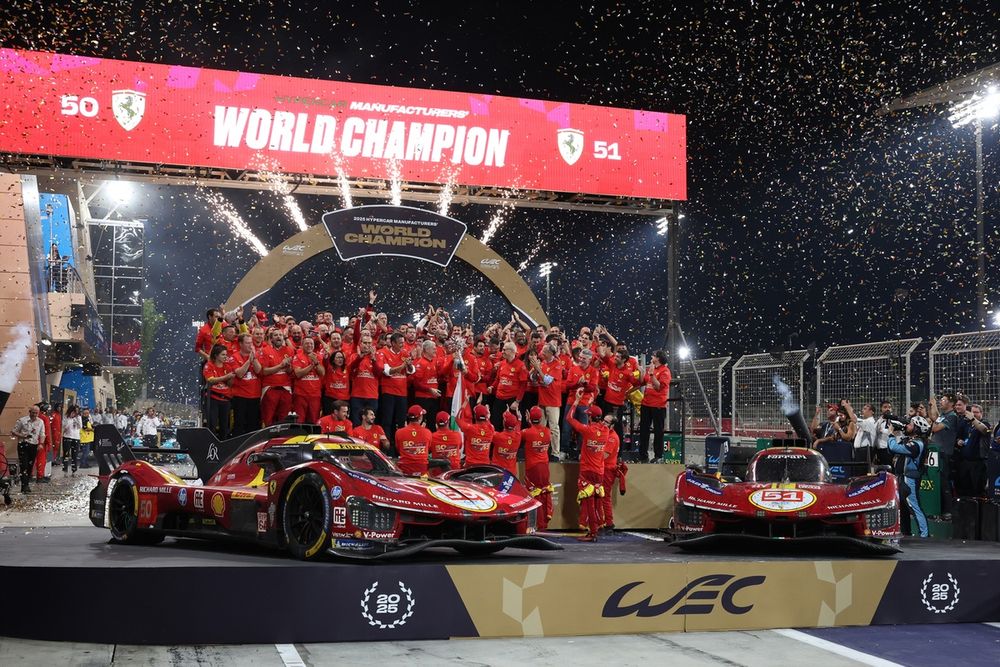
#50 Ferrari Af Corse Ferrari 499P: Antonio Fuoco, Miguel Molina, Nicklas Nielsen, #51 Ferrari Af Corse Ferrari 499P: Alessandro Pier Guidi, James Calado, Antonio Giovinazzi
Photo by: Jakob Ebrey / LAT Images via Getty Images
Ferrari will not utilise any additional evo jokers next year, but that doesn’t mean its title-winning 499P will remain unchanged. The Italian marque has revealed a plan to make minor revisions to its LMH prototype, primarily focused on aerodynamics, to stay in front of the competition. Improving reliability is also a key target after both factory cars encountered problems during this year’s Le Mans 24 Hours.
Since its Hypercar debut, the only time Ferrari deployed an evo joker was after Le Mans 2024, when it updated the brake systems on the 499P. Its next substantial update is slated for 2027, which will mark its fifth season in the top class.
Peugeot (WEC)
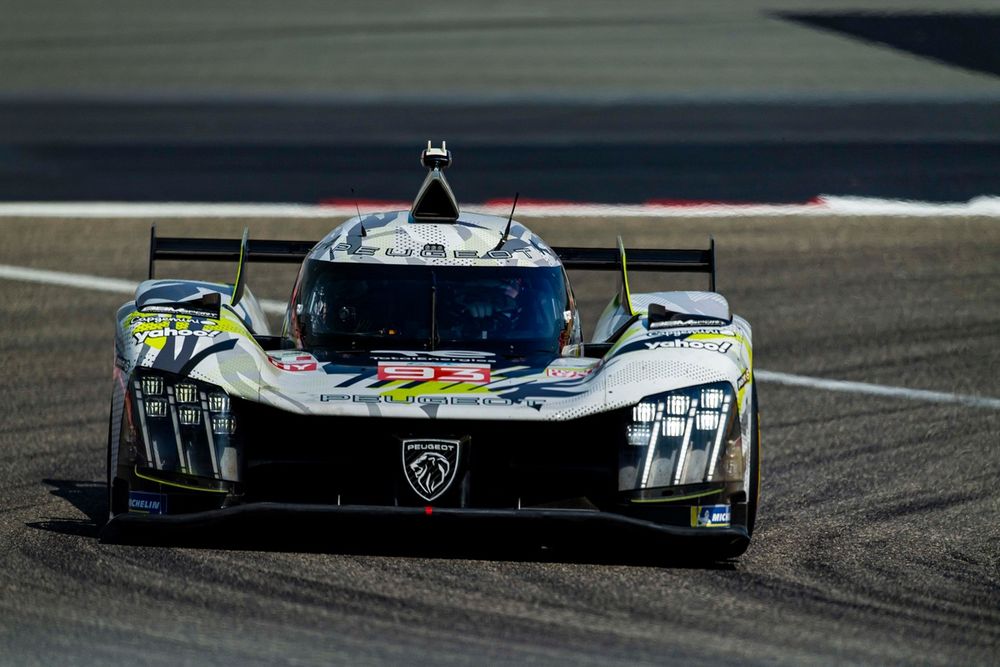
#93 Peugeot Totalenergies Peugeot 9X8: Paul Di Resta, Mikkel Jensen, Jean-Eric Vergne
Photo by: Shameem Fahath / Motorsport Network
Peugeot will head into 2026 with no major changes to the 9X8 LMH. The Stellantis brand is understood to have exhausted all the evo jokers — as well as the second homologation — permitted to it until the end of the 2027 season. However, since the last major revision to the 9X8 in 2024 failed to alleviate Peugeot’s fortunes, it is currently in discussions with the rule makers to explore whether further changes could be authorised. It follows the publication of the WEC’s 2026 technical regulations, which allow for “additional Evolutions extensions (EVO Jokers)” to be granted in case of “a demonstrated significant lack of performance.”
Even if any additional evo jokers are green-lit, it’s unlikely that Peugeot will be able to bring any updates for the start of the 2026 season. Manufacturers are also prohibited from rolling out evo upgrades mid-season, meaning the 9X8 could remain unchanged until at least 2027. Plans for a clean-sheet design appear to have been put on the back burner.
Porsche (IMSA)
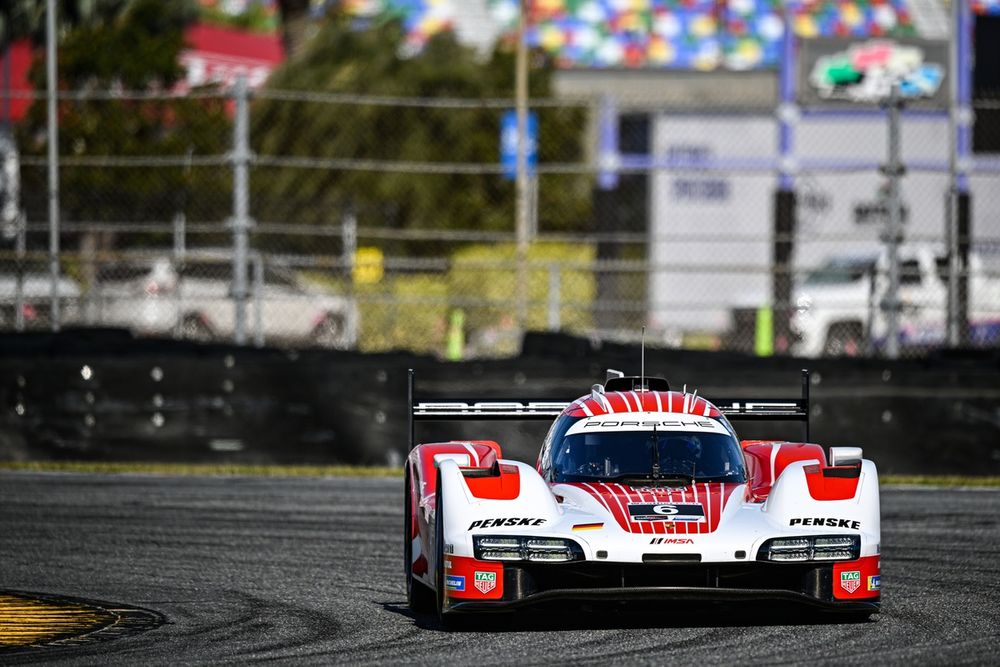
#6 Porsche Penske Motorsport Porsche 963: Julien Andlauer, Scott McLaughlin, Matt Campbell, Felipe Nasr, Josef Newgarden
Photo by: Brandon Badraoui / Lumen via Getty Images
Porsche may be out of WEC’s top class, but its 963 programme will live on in IMSA. In fact, the German manufacturer is using two more evo jokers to update its LMDh challenger, despite having dominated the 2025 GTP season. While the changes are not immediately obvious visually, they are still substantial. Like several rivals, Porsche has focused on aerodynamics, with a new front splitter and a revised diffuser representing a significant part of its 2026 overhaul. The suspension on the 963 has also been updated.
Porsche now has just one evo joker remaining until the end of the 2027 season.
BMW (WEC and IMSA)
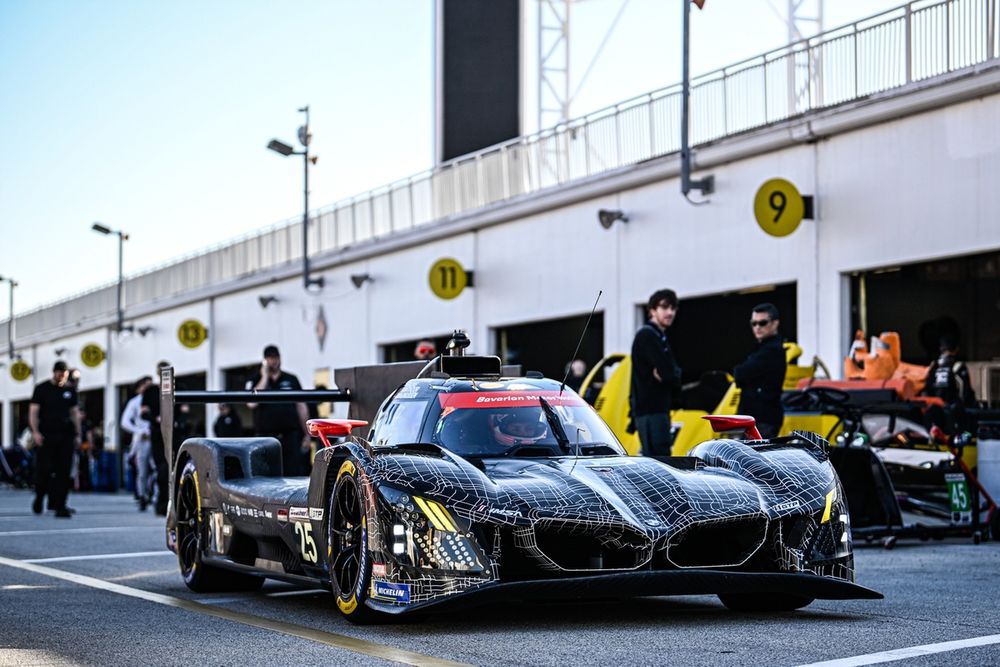
#25 BMW M Team RLL BMW M Hybrid V8: Robin Frijns, Kevin Magnussen, Dries Vanthoor, Marco Wittmann, Rene Rast
Photo by: Brandon Badraoui / Lumen via Getty Images
BMW is aiming to make the M Hybrid V8 more consistent with its new aerodynamic package for 2026. The German manufacturer has revised around 50% of the bodywork, with the most visible change at the front, where its signature kidney grilles have been reduced in size to optimise airflow. BMW put its revamped 2026 challenger on track relatively early this year, completing a private test at Paul Ricard in August.
While BMW shared images of the prototype running in a camouflage livery on social media, it has declined to disclose how many evo jokers — if any — were used for the update. Previously, the brand had used a single evo joker to revise the braking system on its LMDh.
Acura (IMSA)
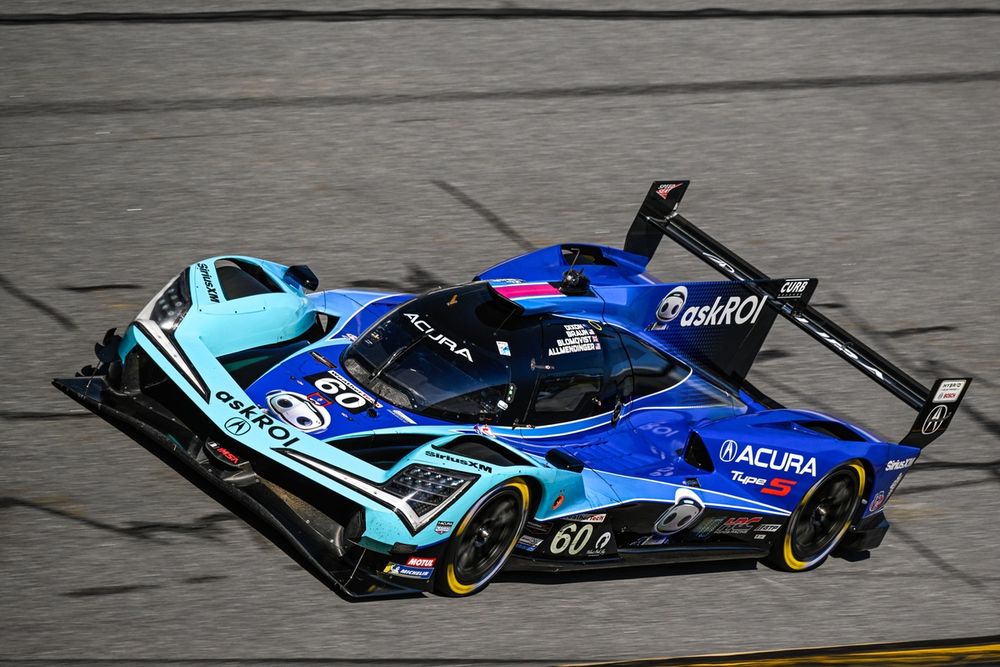
#60 Acura Meyer Shank Racing w/Curb Agajanian Acura ARX-06: Tom Blomqvist, Colin Braun, Scott Dixon
Photo by: Brandon Badraoui / Lumen via Getty Images
Honda’s premium brand Acura isn’t sitting still either. HRC US has announced that it will use one evo joker to update the aero on the ARX-06, with new diveplanes and a lightly modified rear among the visual changes. Acura’s revised LMDh made its public debut in November’s IMSA-sanctioned test at Daytona, where it set the outright pace in GTP with Meyer Shank Racing.
This is the second major update for the ARX-06 after Acura upgraded its front brakes heading into the 2025 season.
Aston Martin (WEC and IMSA)
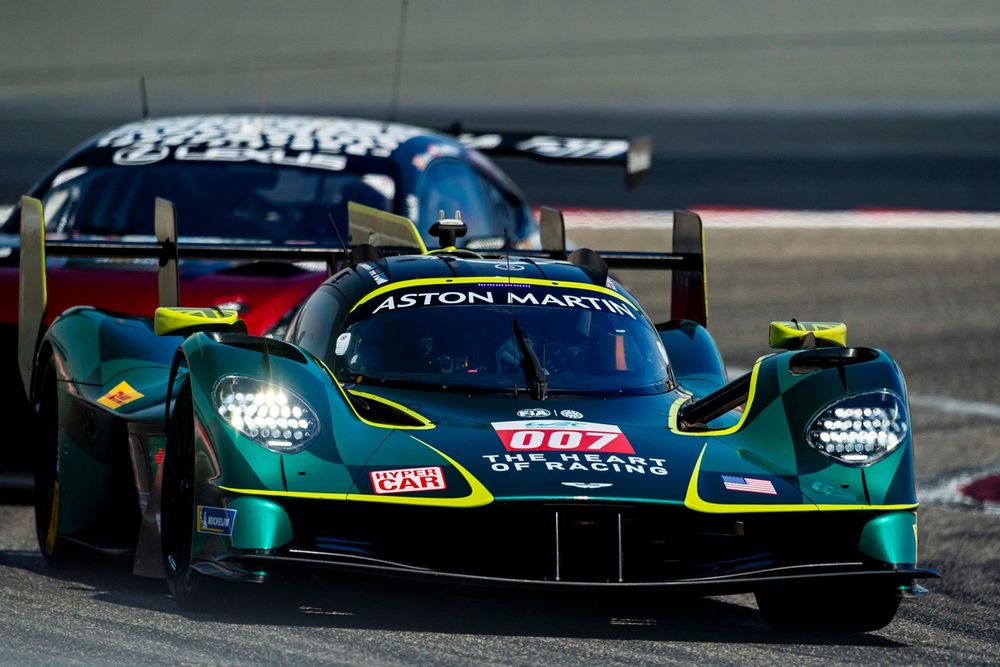
#007 Aston Martin Thor Team Aston Martin Valkyrie: Harry Tincknell, Tom Gamble
Photo by: Shameem Fahath / Motorsport Network
Aston Martin will head into the new season with essentially the same version of the Valkyrie LMH that debuted in 2025. The British marque feels it is too early to consider deploying evo jokers and is instead focused on extracting the full potential from what remains the only non-hybrid car in the class.
Since the end of the season, Aston Martin has completed several tests in the Middle East and the US, particularly in preparation for its debut outing in the Daytona 24 Hours in the GTP class. The Valkyrie programme got underway at the Sebring 12 Hours this year, just under two months after the opening round of the IMSA SportsCar Championship at Daytona International Speedway.
We want your opinion!
What would you like to see on Motorsport.com?
— The Motorsport.com Team


